The Paper Trail of Rave Culture
Apr 21, 2025 · Jack Sheehy, Rave Preservation Project
The Rave Preservation Project is the biggest flyer archive in the world. Basically, it’s a large, growing archive of scanned rave, club, disco and EDM flyers from scenes that often existed briefly, illegally or deliberately outside record-keeping. The archive mostly covers work from the early 1980's to 2000's.
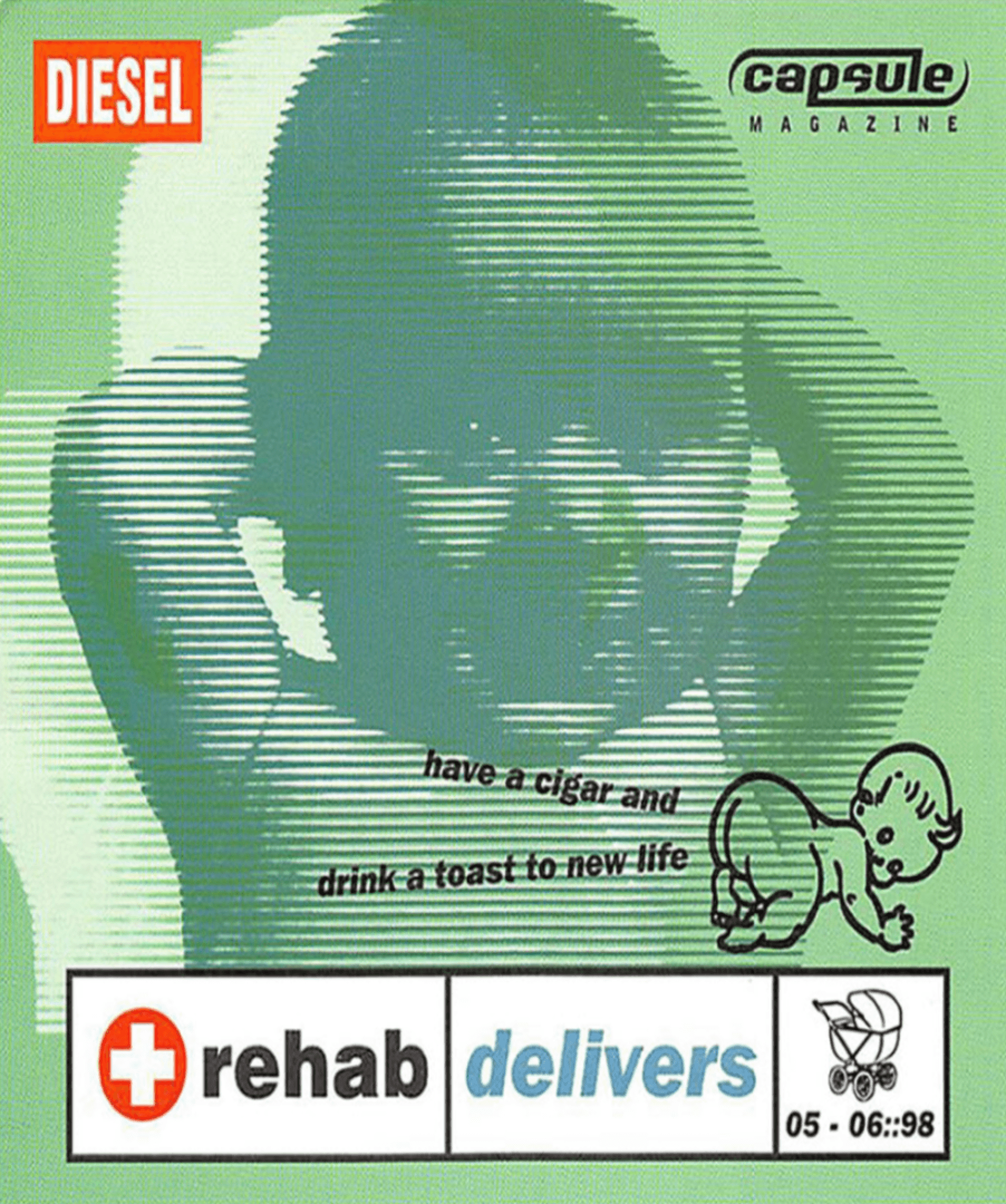
This kind of design work was printed quickly, handed out freely, and thrown away just as quickly. Interestingly enough, the design was often done by promoters, venues or DJ's meaning there's a lot of variety and nuance across them. The archive is built from physical donations. Flyers and posters are mailed in from all over the world (though mostly US and Canada). Personally, flyers, posters and design work from across nightlife has probably been the main source of inspiration in my career so far. The work feels original, interesting but functional. I'll definitely cover this space again, but probably from a more contemporary pov.
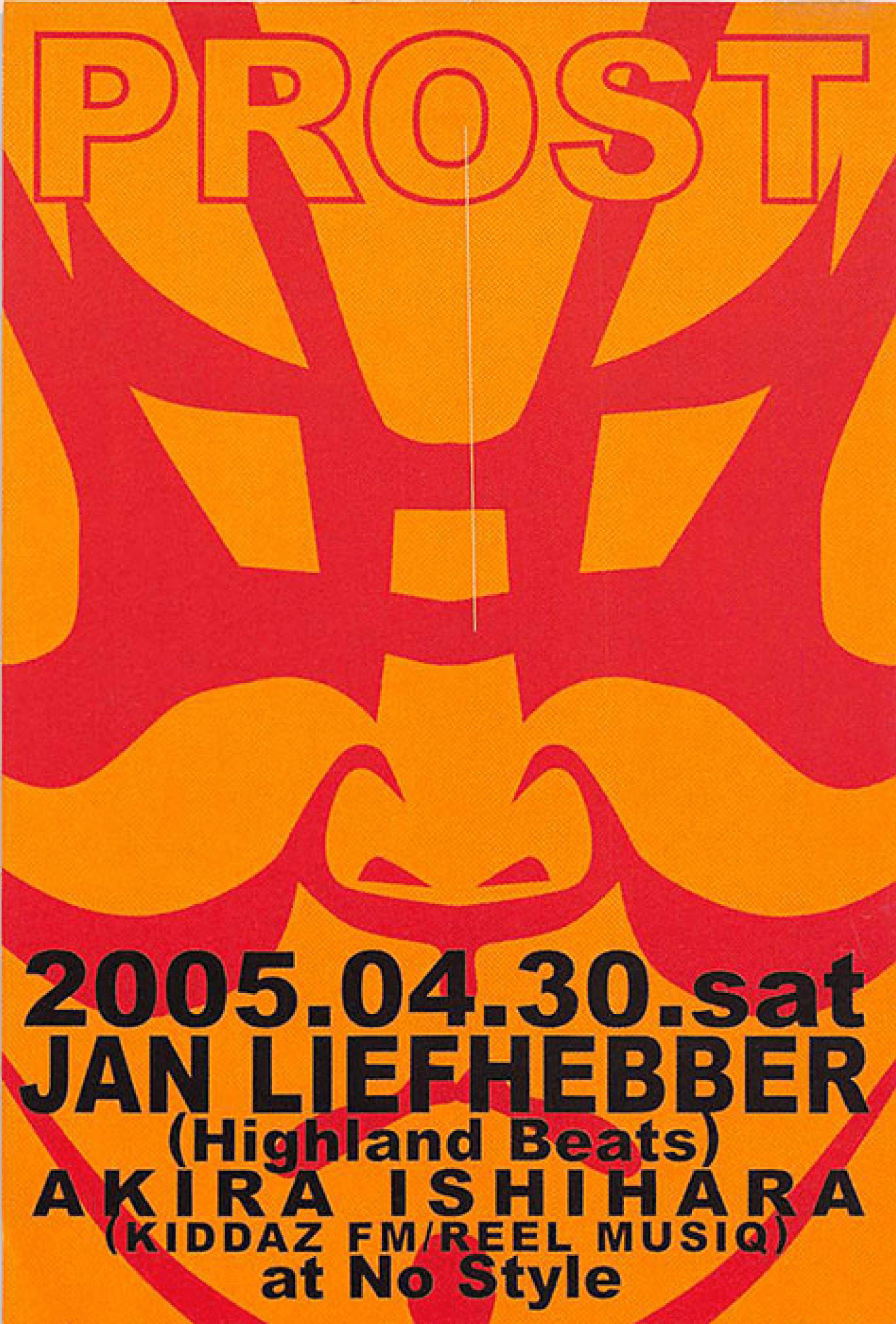
Rave culture was never tidy or super well defined. Its visual language was shaped by urgency rather than polish. Most of this material was never designed to survive beyond the night it promoted. Preserving it introduces a strange reversal: what was disposable becomes permanent, and what was informal becomes carefully catalogued.
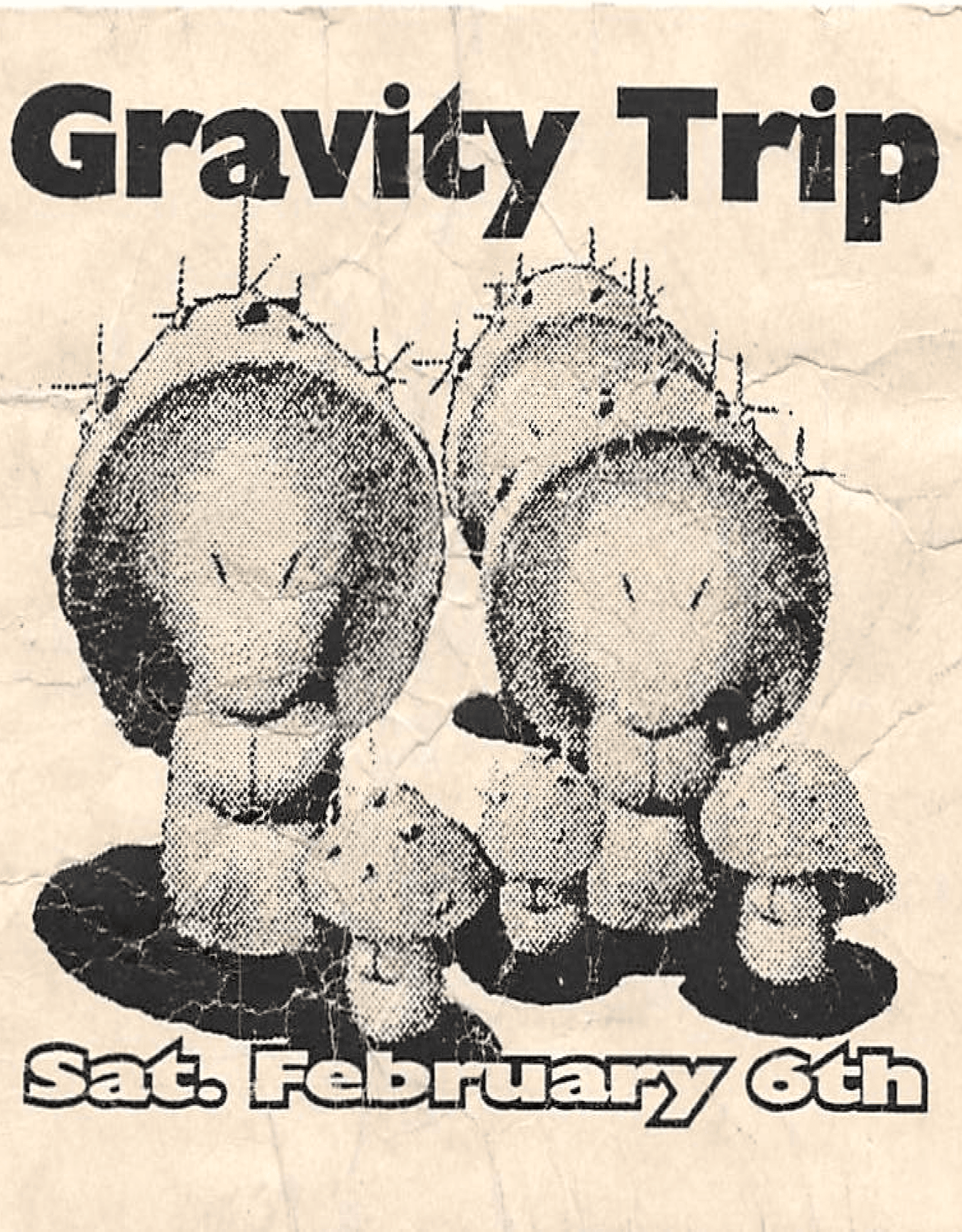
The archive is organised broadly by location rather than chronology or genre. This means that noticing differences in visual aesthetics across countries, or even cities is surprisingly obvious. Across all of it, there’s a consistency in how they operate. These flyers weren’t trying to build brands or identities in the modern sense. They were trying to communicate quickly: where, when, who, and sometimes why.
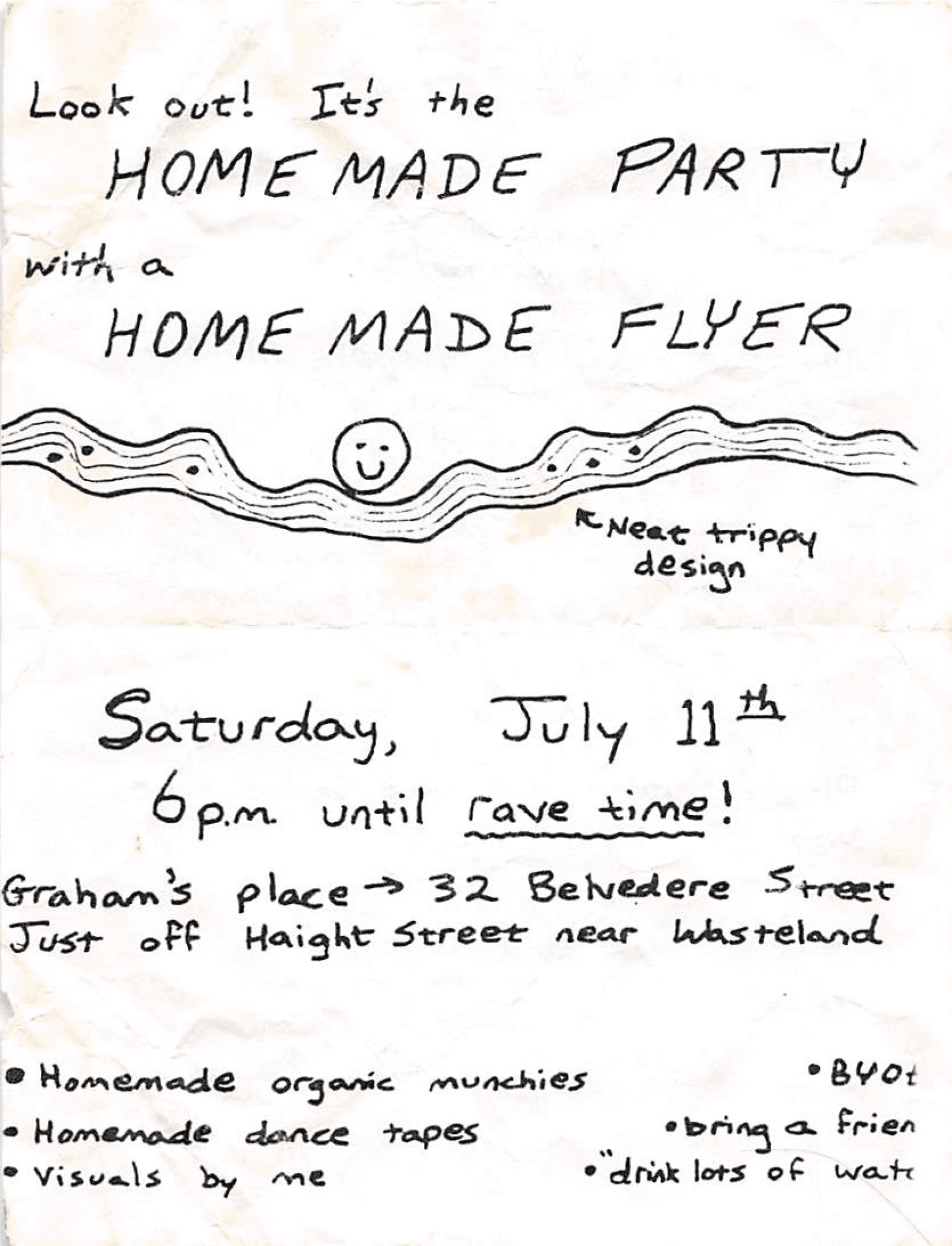
Typography is often aggressive, layouts feel dense. Images are reused, distorted, photocopied or poorly scanned. In a lot of the work, the fingerprints of early design software is pretty funny to see.
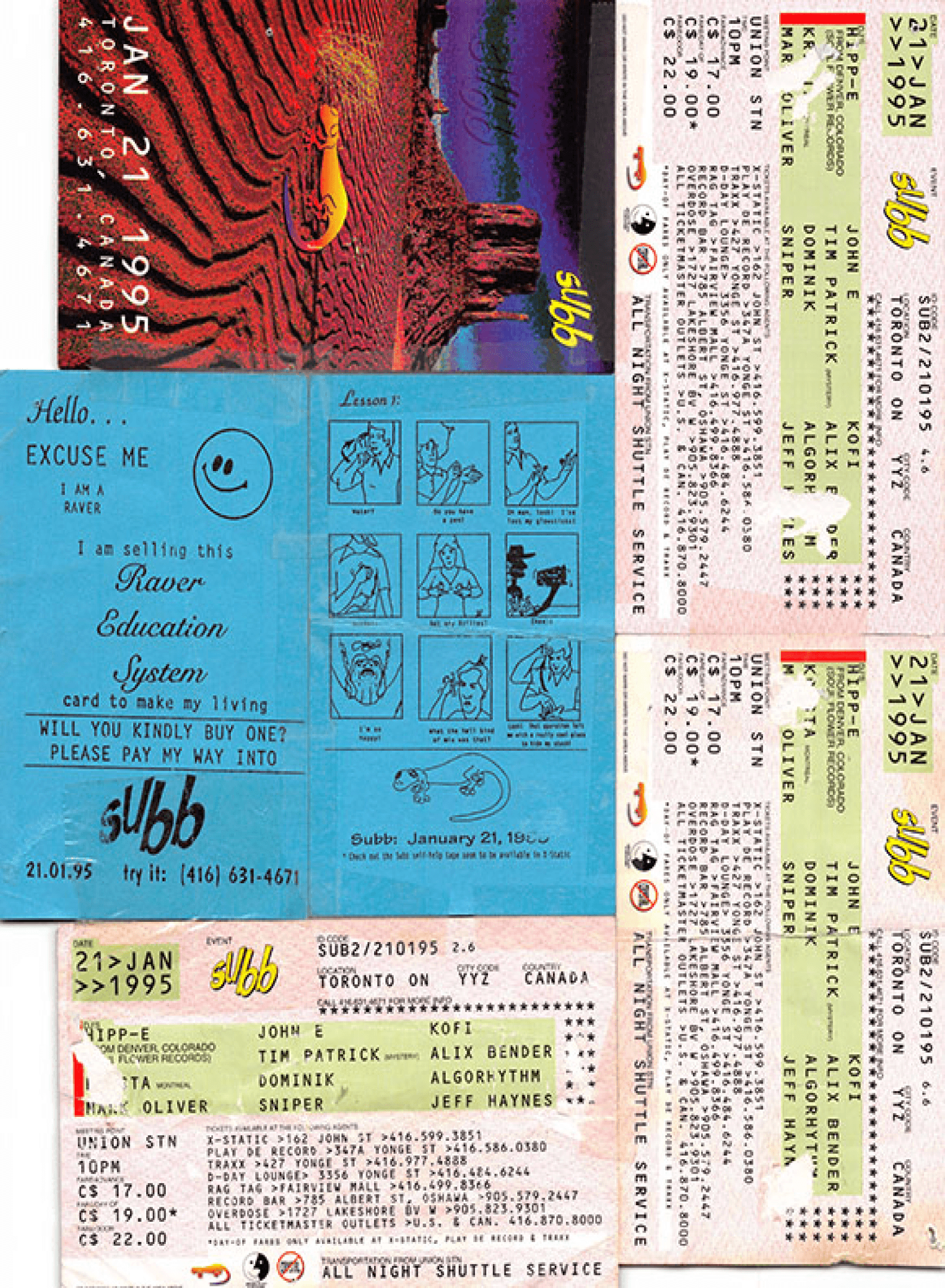
The project’s current challenge is less cultural than logistical. Maintaining an archive of this size takes a lot of time and money. Rather than selling access to the material itself, the Rave Preservation Project is experimenting with a funding model that sits adjacent to the archive: a paid directory for DJs and producers. Whether that holds long term is an open question, but the intent is clear and genuine. Also important to point out that the archive isn’t treated as content, which is refreshing.
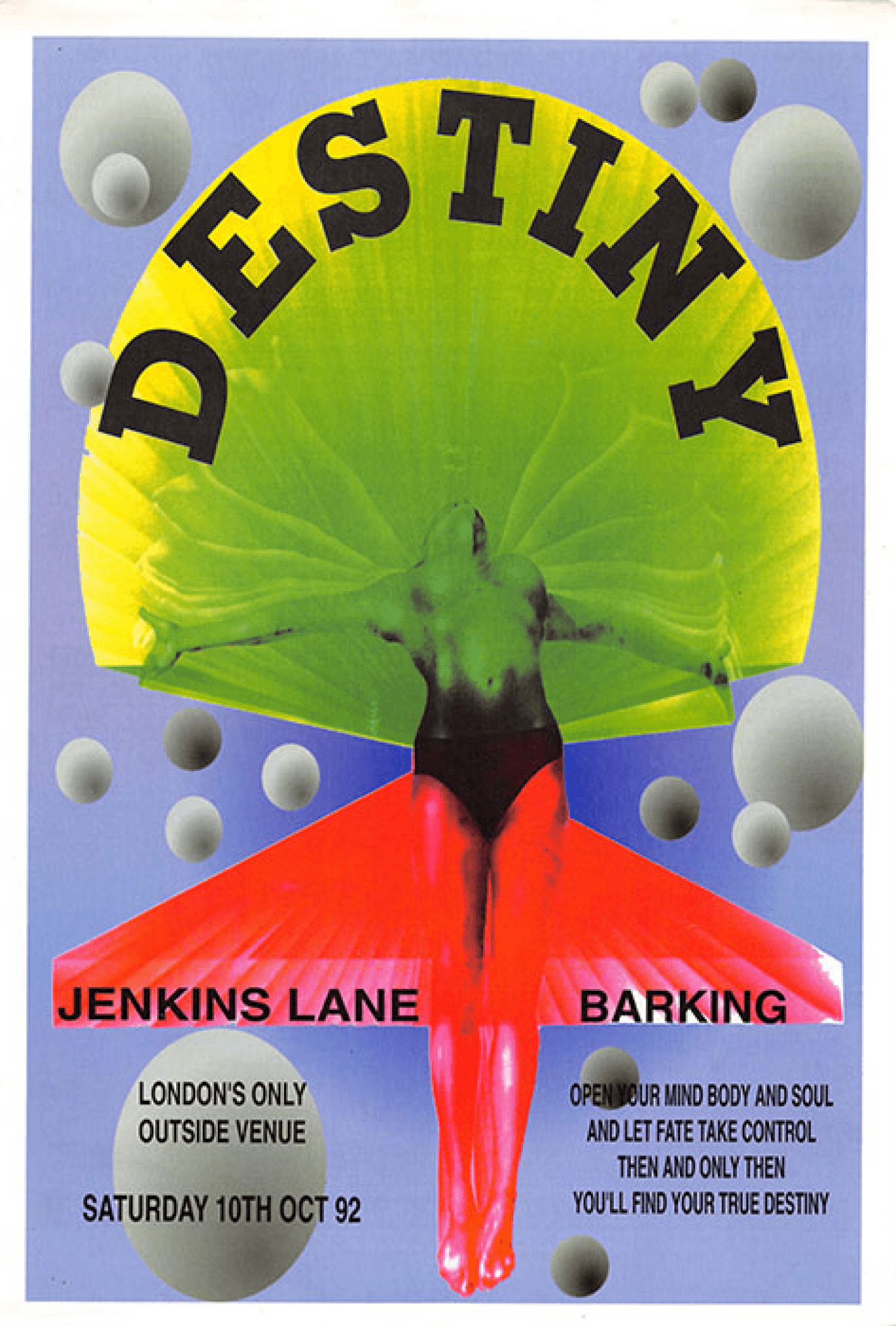
What the Rave Preservation Project ultimately offers isn’t nostalgia, despite how easily that language could be applied. It offers proof that these scenes existed, that they produced their own visual languages and that those languages are authentic.
Most of this material survived by chance. The project kind of exists to remove chance from the picture.
Archive by Rave Preservation Project