The Identity Behind CTM 2026
Apr 10, 2026 · Jack Sheehy, Marius Rehmet
For nearly fifteen years, Marius Rehmet has been the visual mind behind CTM Festival’s identity. Each edition demands a full reinvention: new theme, new visual concept, same collaboration with the festival directors, same commitment to translating the sound into something tangible.
This year’s identity was built around the concept DISSONATE <> RESONATE. I asked him some questions about the approach.
What’s your relationship like with CTM, and what was your role in this year’s identity?
I’ve been responsible for CTM’s visual identity for nearly 15 years now, covering all areas of graphic design, from posters and print to motion design, animations, and the festival trailer. In close collaboration working out a visual concept with the festival directors, I immerse myself in each year’s changing theme and try to translate it into a distinct and coherent visual language that reflects the spirit of that specific edition.
How did your approach to this year’s identity change from your previous work with CTM?
Dissonance reflects the unresolved tensions and contradictions of contemporary reality, not as pure chaos, but as a productive state that generates movement, energy, and transformation. Resonance emerges not as its opposite, but as a fragile, shared attunement that requires openness, listening, and vulnerability. Together, dissonance and resonance describe a space where conflict, connection, and renewal coexist, and where music becomes a medium to navigate complexity beyond words.
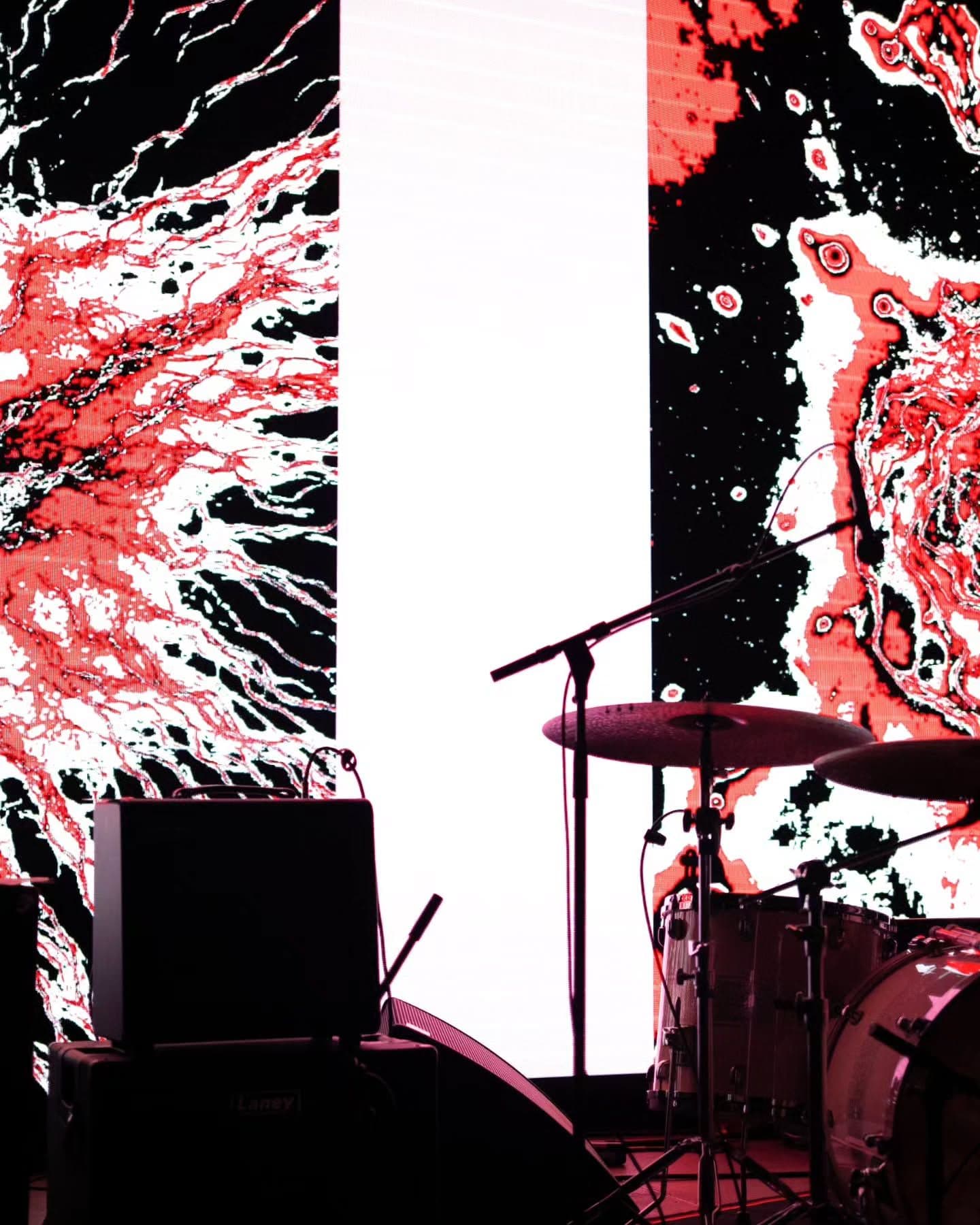
For the design for DISSONATE <> RESONATE, we wanted to strongly emphasize a sense of subculture, something that feels familiar, rooted in club culture and VJ aesthetics. The visuals remain abstract on purpose, so they don’t close off any specific interpretation or scene. We developed shapes that feel like they are in a process, or at the very beginning of becoming something else, an initializing moment that could transition into another state.
The motion feels very procedural, what was your overall approach there?
The goal was to develop abstract forms that resonate with the theme DISSONATE <> RESONATE and maintain a clear connection to subcultural aesthetics. The material is prerendered, not procedural, if you mean the »live« aspect at this point. The visual sources came from a mix of real footage, 3D setups, and AI-generated material. These different inputs were then reshaped and translated into our design language using a filter chain, strongly defined by our CI colors, to create a coherent graphical language.
The typography stands out a lot. Is it custom, or how did you land on that direction?
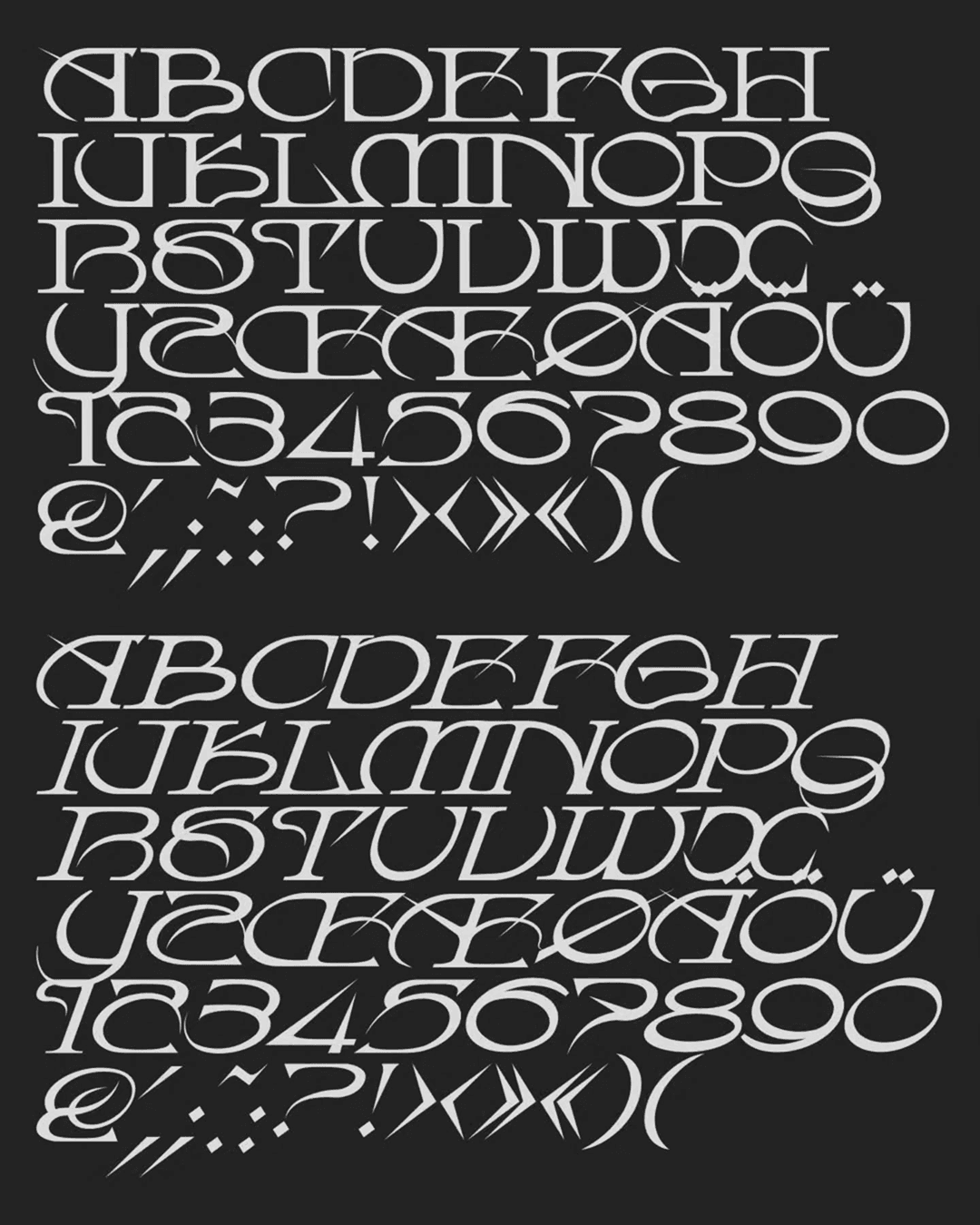
Yes, the typeface is custom-cut by me. It carries a classic foundation but includes subtle tweaks that signal a very contemporary attitude. We wanted a signature typeface that could be paired with a modified functional font. Together, they form a strong typographic system that adds character and identity, especially in combination with the VJ-inspired visuals.
CTM’s sound is pretty wide-ranging, does sound factor into how you think about motion or design in general?
Definitely. The musical range at CTM spans from ambient and traditional instrumentation to noisy electronic music, and the audience ranges from Gen Z to older generations. All of that needs to be considered visually. Working closely with the festival directors, who shape the thematic framework of each edition, helps ensure that the visual language remains open enough to reflect this diversity while still feeling cohesive.
I love your 3D work, how different does that creative process feel compared to working within this mostly 2D identity system?
The processes aren’t as far apart as they might seem. I often start with raw drawing and conceptual work in 2D and then transfer ideas into 3D later. The same goes for type design. Switching between tools and dimensions is a fundamental part of my workflow. Sometimes I build something in Cinema 4D and then bring it back into Illustrator to continue working in 2D. It really depends on the idea and how I want to process it.
I also enjoy remixing and reshaping my own work, running it through different tool and effect chains to explore new perspectives. That playful experimentation is a crucial part of developing content for me.
Design by @vojdvojd